


buy tortoise online
페이지 정보
Writer Sal 작성일25-02-22 00:02 View2 Reply0본문
Choosing the right tortoise involves evaluating its growth potential, care needs, and the living space it will require. Certain tortoise species can become quite big, demanding ample space, whereas others remain smaller and more manageable. Furthermore, individual tortoise species may have specific dietary preferences and unique care requirements. Researching different tortoise species will ensure you're well-prepared for their care.
Tortoises are generally low-maintenance pets that provide companionship and can live for decades. That said, the plethora of radiated tortoise for sale types means you’ll need to carefully pick one suited to your circumstances.
While choosing a tortoise, focus on their behavior traits and maintenance needs. Some species are great for beginners, while others demand more experience and meticulous care.
Let’s explore some commonly kept tortoises and what sets them apart:
Afghan Tortoise
Russian tortoises are hardy and small, making them perfect for beginners. They typically reach a length of 8-10 inches and thrive on a diet of leafy greens and vegetables.
Desert Giant Tortoise
Sulcata tortoises are among the largest, measuring up to 30 inches and surpassing 100 pounds. Space-demanding, Sulcatas thrive on a grass- and hay-based diet.
Mediterranean Tortoise
Greek tortoises are beginner-friendly pets, known for their compact size and approachable demeanor. These tortoises grow to about 8-10 inches and thrive on leafy greens and vegetables.
Western Hermann’s Tortoise
This breed is popular among tortoise owners for its docile temperament and ease of care. These tortoises typically reach 8-10 inches and thrive on a variety of fresh greens. These tortoises boast lifespans of up to a century when given the proper environment and care.
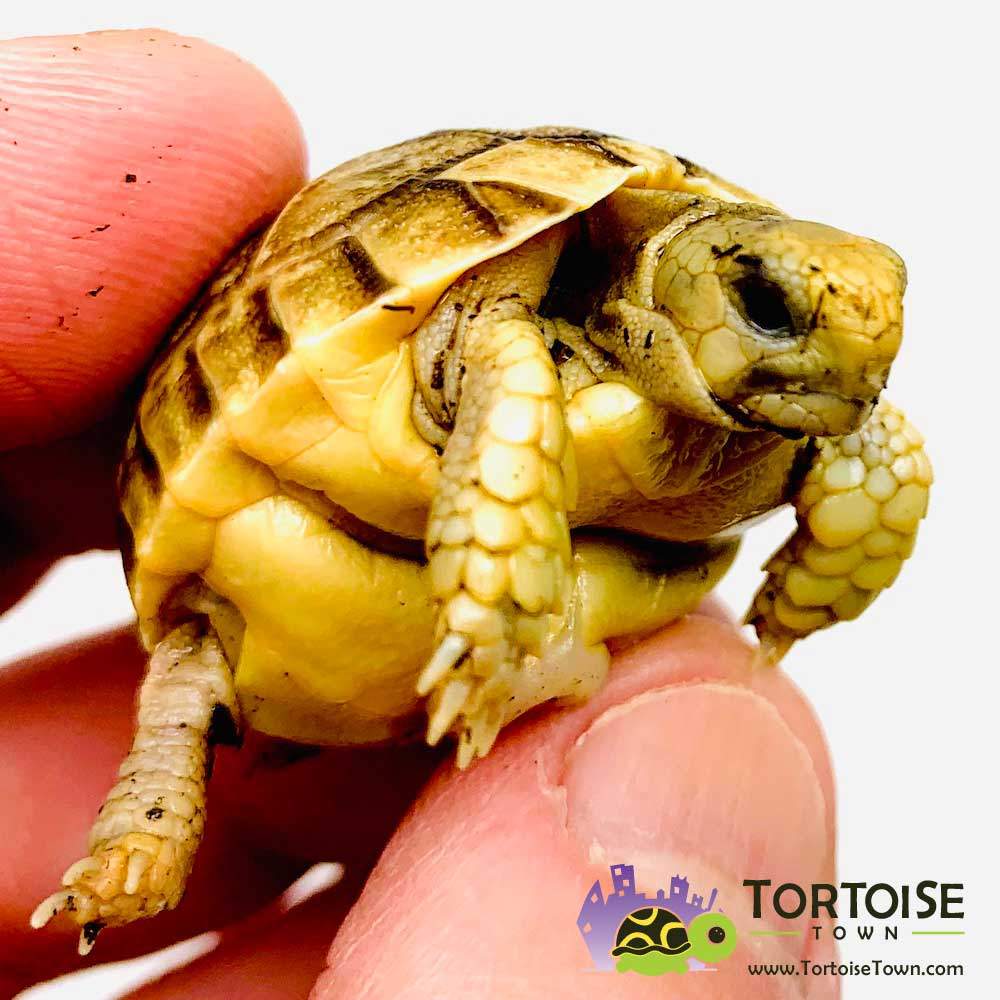 Spotted Tortoise
Known for their distinctive spotted shells, Leopard tortoises need significant room to roam. At full size, they measure 18-24 inches and require a grass- and hay-based diet. Their friendly disposition and longevity of 80 years make them a rewarding pet choice.
South American Red-Foot
Renowned for its vibrant coloration, the Red-Footed tortoise is medium in size. At maturity, they measure 10-14 inches and consume a diet that includes greens and fruit. These tortoises can live for five decades and are cherished for their approachable temperament.
Tiny Desert Tortoise
The Egyptian tortoise is one of the smallest and rarest tortoise species. Reaching only 5-7 inches in size, their diet primarily consists of vegetables and greens. Their lifespan can reach 50 years, though they are naturally timid creatures.
If you’re serious about owning a tortoise, understanding the differences between breeds is vital. Think about your habitat, routine, and readiness to dedicate time to tortoise care before adopting one.
Searching for a pet tortoise to bring into your life? Shopping on the internet offers ease and a wide variety, but it's crucial to choose a reliable source. Highly-rated sellers prioritize ethical standards, proper care, and the health of their animals. Seek websites that provide detailed information about species, high-quality images, and health assurances. Consider breeders who focus on tortoises, reliable exotic pet shops, or active reptile communities. Don't forget to review customer feedback and verify secure shipping procedures to ensure your tortoise arrives healthy. Taking the time to research will help you welcome a thriving tortoise into your care. Choose responsibly and enjoy the journey!
Tortoises are generally low-maintenance pets that provide companionship and can live for decades. That said, the plethora of radiated tortoise for sale types means you’ll need to carefully pick one suited to your circumstances.
While choosing a tortoise, focus on their behavior traits and maintenance needs. Some species are great for beginners, while others demand more experience and meticulous care.
Let’s explore some commonly kept tortoises and what sets them apart:
Afghan Tortoise
Russian tortoises are hardy and small, making them perfect for beginners. They typically reach a length of 8-10 inches and thrive on a diet of leafy greens and vegetables.
Desert Giant Tortoise
Sulcata tortoises are among the largest, measuring up to 30 inches and surpassing 100 pounds. Space-demanding, Sulcatas thrive on a grass- and hay-based diet.
Mediterranean Tortoise
Greek tortoises are beginner-friendly pets, known for their compact size and approachable demeanor. These tortoises grow to about 8-10 inches and thrive on leafy greens and vegetables.
Western Hermann’s Tortoise
This breed is popular among tortoise owners for its docile temperament and ease of care. These tortoises typically reach 8-10 inches and thrive on a variety of fresh greens. These tortoises boast lifespans of up to a century when given the proper environment and care.
Spotted TortoiseKnown for their distinctive spotted shells, Leopard tortoises need significant room to roam. At full size, they measure 18-24 inches and require a grass- and hay-based diet. Their friendly disposition and longevity of 80 years make them a rewarding pet choice.
South American Red-Foot
Renowned for its vibrant coloration, the Red-Footed tortoise is medium in size. At maturity, they measure 10-14 inches and consume a diet that includes greens and fruit. These tortoises can live for five decades and are cherished for their approachable temperament.
Tiny Desert Tortoise
The Egyptian tortoise is one of the smallest and rarest tortoise species. Reaching only 5-7 inches in size, their diet primarily consists of vegetables and greens. Their lifespan can reach 50 years, though they are naturally timid creatures.
If you’re serious about owning a tortoise, understanding the differences between breeds is vital. Think about your habitat, routine, and readiness to dedicate time to tortoise care before adopting one.
Searching for a pet tortoise to bring into your life? Shopping on the internet offers ease and a wide variety, but it's crucial to choose a reliable source. Highly-rated sellers prioritize ethical standards, proper care, and the health of their animals. Seek websites that provide detailed information about species, high-quality images, and health assurances. Consider breeders who focus on tortoises, reliable exotic pet shops, or active reptile communities. Don't forget to review customer feedback and verify secure shipping procedures to ensure your tortoise arrives healthy. Taking the time to research will help you welcome a thriving tortoise into your care. Choose responsibly and enjoy the journey!
Reply List
No message.


